

COMMUNITY DATA INSIGHTS
Food and Nutrition Security
COVID-19 Vaccination
Schedule your COVID-19 vaccination appointment online, including the new Winter 2023/2024 COVID-19 vaccine.
Jobs & Careers
Explore great jobs located here in Garrett County, Maryland!
2022-2024 Community Health Assessment
Dive into the new comprehensive public health assessment for Garrett County!
MyGarrettCounty.com
Discover real-time data for local programs and services operated by the Garrett County Health Department.
Go! Garrett County
Food resources, physical activity challenges, community engagement, and more!
Mental Health Crisis Line
24 Hour Crisis Line (Garrett County, Local): 301-501-3515
National/Maryland Crisis Line: 988
Contact Us
Garrett County Health Department
Oakland (Main Office)
1025 Memorial Drive,
Oakland, Maryland 21550
Grantsville
(Contact Units for Availability)
28 Hershberger Ln,
Grantsville, Maryland 21536
Garrett County Health Officer
Bob Stephens, M.S.
Garrett County Medical Deputy Health Officer
Jennifer Corder, M.D.
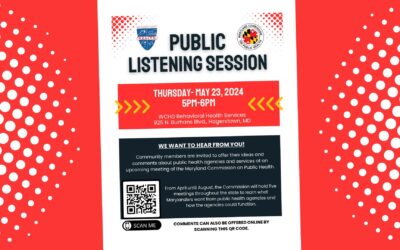
Western Maryland Region: County Residents Encouraged to Join State, Local Health Officials for Forum – Listening Session on Public Health Initiatives Set for May 23
Received from the Maryland Commission on Public Health; Washington County Health Department. FOR IMMEDIATE RELEASE - County Residents Encouraged to Join State, Local Health Officials for Forum Listening Session on Public Health Initiatives Set for May 23 ...
Overdose Prevention Team Meeting Scheduled for May 13, 2024
Garrett County Overdose Prevention TeamMonday, May 13, 2024 – 9:00 a.m. – Virtual Only Google Meet joining info:Video call link: https://meet.google.com/wtc-nhnb-ihpOr dial: (US) +1 931-632-3059 PIN: 931 223 060# The formatted agenda for this meeting can be downloaded...
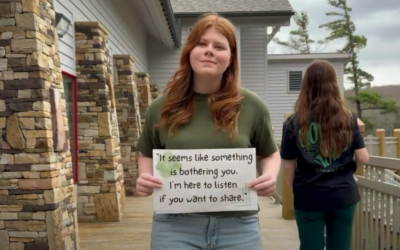
Featured Today on Go! Garrett County: May is Mental Health Month – What to Say (VIDEO)

Featured Today on Go! Garrett County: Go! Fitness Challenge: It’s Time To Submit Your Steps/Activity For Last Week! (4/29-5/5)
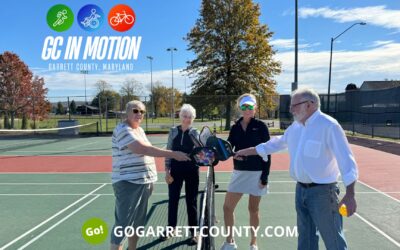
Featured Today on Go! Garrett County: FREE Pickleball Clinic Scheduled for May 22!
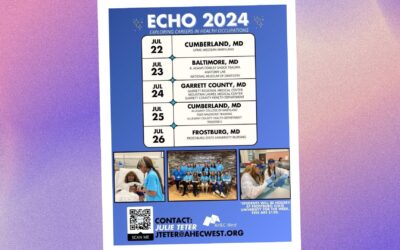
Expanding Access to ECHO (Exploring Careers in Health Occupations) for Garrett County Youth
Garrett County is working together to foster opportunities for local youth to become more engaged with the ECHO (Exploring Careers in Health Occupations) program coordinated by AHEC West. ECHO is designed to expose students interested in future health careers to...
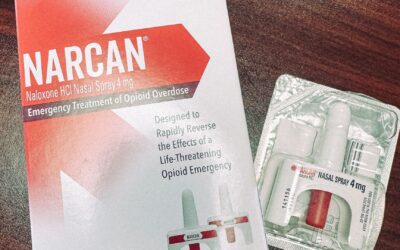
TODAY! – Free Naloxone Pick-Up Events Scheduled for Deer Park and Grantsville to Prevent Overdose
By Chelsie Dever, MBA, Overdose Response Program Coordinator/Tobacco Treatment Specialist Staff from the Garrett County Health Department’s Overdose Response Program will be hosting two Naloxone pick-up events where individuals can pick up the medication Naloxone and...
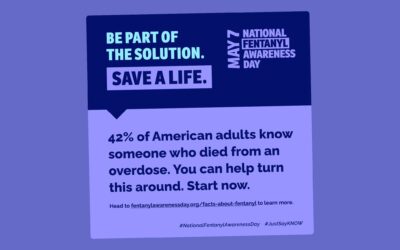
Today is National Fentanyl Awareness Day (5/7)
For more information about overdose response, please visit: https://garretthealth.org/overdose-response-training/ There are also FREE Naloxone pick-up events scheduled for today in Southern and Northern Garrett County. Learn more at:...

Upcoming Community Event: Putting Trauma-Informed Care Into Practice
Click here to register for this event! Preguntas? Llámenos al 301-334-7440 para servicios de traducción.Accessibility assistance available at 301-334-7440.
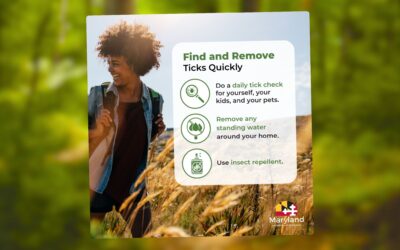
MDH: Maryland Department of Health urges Marylanders to guard against tickborne diseases
Featured Today on Go! Garrett County: Join 600+ of Your Neighbors, Family, and Friends Who’ve Already Taken the 2025 Garrett County Community Survey!
MDH: Maryland Department of Health, Mental Health Association of Maryland pledge to Go Green for Mental Health
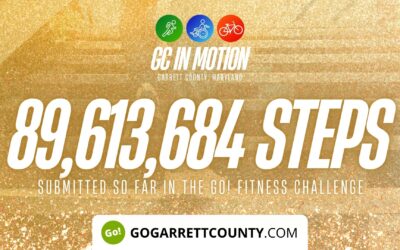
Featured Today on Go! Garrett County: 89 MILLION+ STEPS/ACTIVITY RECORDS! – Step/Activity Challenge Weekly Leaderboard – Week 90

Featured Today on Go! Garrett County: Harvest Hub Update & Second Funding Round!
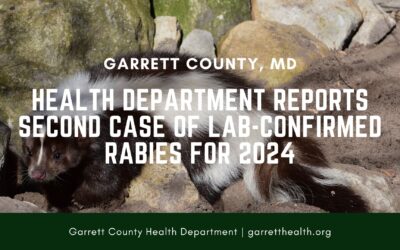
Health Department Reports Second Case of Lab-Confirmed Rabies for 2024 – Announces Low-Cost Rabies Clinics for 2024
FOR IMMEDIATE RELEASEDATE OF RELEASE: May 1, 2024SUBJECT: Second 2024 Rabies Case / Rabies Vaccination ClinicsCONTACT PERSON: Bryce A. Manges, L.E.H.S. TELEPHONE: 301-334-7760 Environmental Health Services of the Garrett County Health Department reports the second...
REQUEST FOR RESUME/APPLICATIONS (RFR/A) – GARRETT COUNTY HEALTH DEPARTMENT – REGISTERED NURSE HOME VISITS
REQUEST FOR RESUME/APPLICATIONS (RFR/A)GARRETT COUNTY HEALTH DEPARTMENTREGISTERED NURSE HOME VISITS The Garrett County Health Department will accept Request For Resume/Applications (RFR/A) from qualified applicants to provide Registered Nurse Home visits for the home...
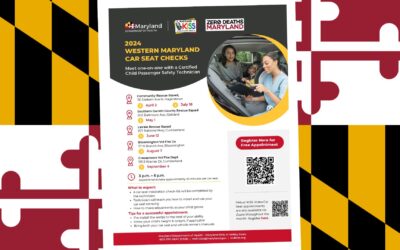
TODAY! – 2024 Western Maryland Car Seat Check Events Scheduled! (Oakland – May 1, 2024)
Registration is Open! FREE Car Seat Check with a Certified Child Passenger Safety Technician - May 1, 2024 at Southern Garrett Rescue SquadCertified Child Passenger Safety Technicians will be available at the Southern Garrett County Rescue Squad in Oakland on May 1st...
Featured Today on Go! Garrett County: Go! Fitness Challenge: It’s Time To Submit Your Steps/Activity For Last Week! (4/22-4/28)

Meet the Staff: Jessica Fitchett
Where did you go to high school/college? I attended Preston High School and, right out of high school, attended Garrett College, where I earned an associate's degree. I went back to Garrett College in 2021 and completed the Medical Billing and Coding program. What was...

Explore 9 Open Job Opportunities w/ the Garrett County Health Department! – April 30, 2024
New job listings have been posted/reposted. See all current opportunities at: https://bit.ly/gchdjobs RELATED: Please also see the latest Request for Resumes/Applications posted on our Request for Proposals page: https://garretthealth.org/requestforproposals/...
Featured Today on Go! Garrett County: Join 500+ of Your Neighbors, Family, and Friends Who’ve Already Taken the 2025 Garrett County Community Survey!
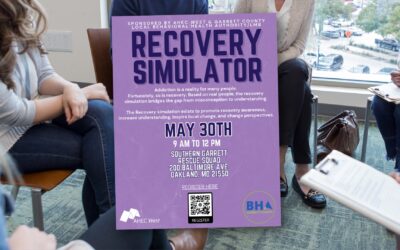
Reminder! – Upcoming Community Event: Recovery Simulator
Click here to register for this event! Preguntas? Llámenos al 301-334-7440 para servicios de traducción.Accessibility assistance available at 301-334-7440.
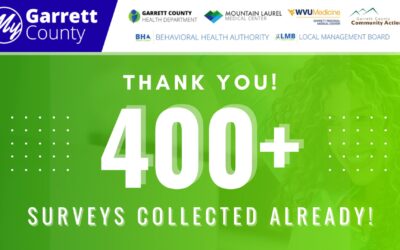
Featured Today on Go! Garrett County: Join 400+ of Your Neighbors, Family, and Friends Who’ve Already Taken the 2025 Garrett County Community Survey!
New Jobs Posted/Reposted! – April 26, 2024
New job listings have been posted/reposted. See all current opportunities at: https://bit.ly/gchdjobs RELATED: Please also see the latest Request for Resumes/Applications posted on our Request for Proposals page: https://garretthealth.org/requestforproposals/...

Featured Today on Go! Garrett County: 88 MILLION+ STEPS/ACTIVITY RECORDS! – Step/Activity Challenge Weekly Leaderboard – Week 79
What is Public Health?

Welcome to the Garrett County Health Department!
The Garrett County Health Department is the recognized Public Health agency in Garrett County, Maryland. We strive to provide the highest level of care and service to the citizens of Maryland's westernmost county. Join us in making Garrett County a healthier place to live, work, and play!Garrett County Health Officer Robert Stephens, MS
PHAB Accredited
¿Prefieres español?
Language Assistance
LanguageLine services are available.
Spanish (Medical Spanish) interpreter available in-person, upon request.